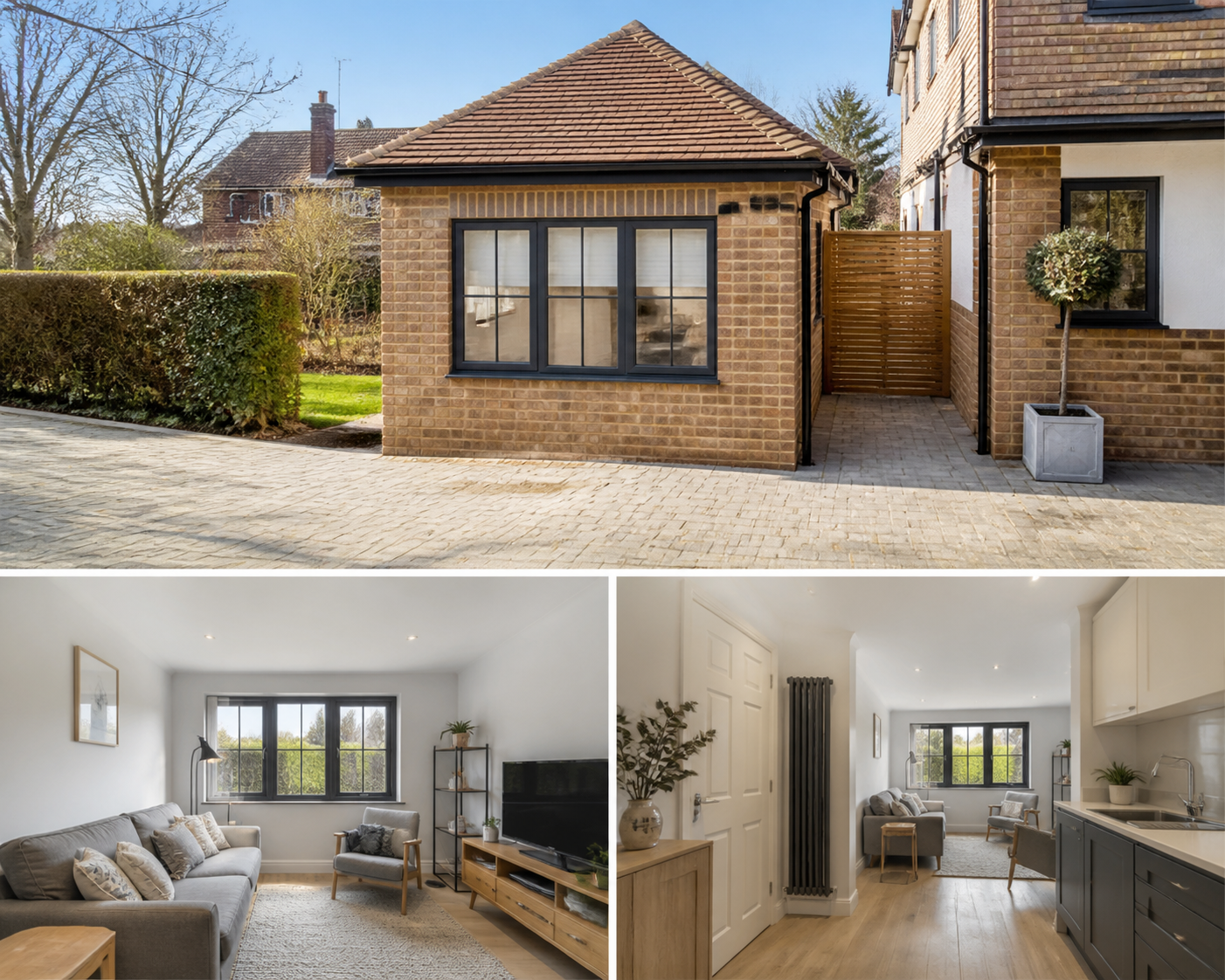
Home Renovation in Harpenden: 8 Key Checks Before Starting a Property Refurbishment
A successful home renovation Harpenden project starts long before the first wall is opened up or the first skip arrives. Whether you are modernising an older property, reworking the layout for family life or planning a wider property refurbishment, the early decisions usually have the biggest impact on cost, timescales and day-to-day disruption.
At SCL Building Solutions Ltd, we help homeowners across Harpenden and the surrounding areas with building renovations, building refurbishments and wider home improvements. If you are weighing up different options for your property, our home improvement services in Harpenden can help you plan the right route before work begins.
Home renovation Harpenden: why early planning matters
Refurbishment work often looks straightforward from the outside, but existing homes rarely reveal everything at first glance. Outdated electrics, uneven floors, tired plumbing, hidden damp or earlier alterations can all affect the scope of work once a project begins.
That is why proper planning matters. The aim is not just to create a nicer finish. It is to make sure the renovation is practical, compliant, well sequenced and worth the investment.
Protect your budget from avoidable surprises
Reduce delays once work is underway
Improve how the finished space functions
Help you compare quotations on a clearer basis
Make living through the project easier to manage
8 key checks before starting a property refurbishment
1. Be clear about what the renovation needs to achieve
Before talking about finishes, define the real purpose of the project. Are you trying to create better flow, more storage, updated kitchens or bathrooms, improved family space, or a full top-to-bottom refresh before staying in the property long term?
A clear brief helps avoid the common problem of a renovation gradually expanding room by room without a proper plan. It also makes it easier to prioritise spending where it will add the most everyday value.
List your must-haves
Separate essential work from nice-to-have upgrades
Think about how you want the property to work in two to five years, not just today
2. Check the condition of the existing property first
Renovation costs are often driven by what is already there. A room may look ready for cosmetic upgrading, but once finishes are removed, hidden issues can appear. These might include damaged plaster, poor previous alterations, tired services or areas that need repair before improvement work makes sense.
This is one of the biggest differences between refurbishment and new build work. The existing house sets the starting point, so understanding its condition early is essential.
Where a property has not been updated for some time, it is often sensible to review:
The condition of walls, ceilings and floors
Plumbing and drainage arrangements
Electrics and lighting needs
Insulation and ventilation
Signs of damp, movement or water ingress
3. Know which parts are cosmetic and which are structural
New flooring and decoration are very different from removing walls, altering openings or changing floor levels. If your refurbishment involves structural changes, the design, sequence of work and overall budget become more complex.
Many homeowners begin with a simple idea such as opening up the kitchen or reconfiguring the ground floor, then discover that load-bearing elements, steelwork or support details need to be considered. Identifying that early helps you plan the right scope instead of pricing the project twice.
If your plans may extend beyond refurbishment into added space, speaking to experienced extension builders in Harpenden can help you compare whether internal reworking or a larger build is the better investment.
4. Understand permissions and compliance early
Not every renovation project needs planning permission, but that does not mean approvals can be ignored. Depending on the work, you may need to consider building regulations, structural calculations or other compliance requirements. If the project affects a shared wall or boundary, additional legal steps may also be relevant.
The key point is simple: do not assume that internal work is automatically straightforward. Clarifying permissions and compliance early can save time, prevent redesigns and avoid delays once trades are booked.
5. Build a realistic budget, not just a builder's quote
A refurbishment budget needs to cover more than the core building work. Homeowners often focus on the main quote, then realise later that finishes, fixtures, temporary arrangements and unexpected repairs also need to be funded.
A more realistic budget should consider:
Strip-out and preparation work
Structural alterations, where required
Electrical and plumbing changes
Kitchens, bathrooms and fitted storage
Flooring, plastering and decoration
Waste removal and site access considerations
A sensible contingency for unknowns in older properties
Clear budgeting at the start usually leads to better decisions later. It helps you protect the quality of the finished result instead of cutting important items halfway through.
6. Plan the layout around daily life, not just square footage
The best renovations do more than modernise the look of a home. They improve how it feels to live in. That means thinking carefully about circulation, storage, furniture layout, natural light and the way one room connects to the next.
For example, a larger kitchen is not automatically better if walkways are awkward, storage is limited or the dining area feels disconnected. Likewise, opening a space up can work brilliantly, but only when heating, lighting and zoning are properly considered.
When we discuss property refurbishment services with homeowners, the conversation is usually about function first and finishes second. That is often what separates a renovation that simply looks new from one that genuinely improves the way the house works.
7. Think ahead about disruption and project sequence
Renovation work can be disruptive even when well managed. Dust, noise, restricted room use and temporary service interruptions are common parts of the process, especially where kitchens, bathrooms or main living areas are involved.
Before work starts, think practically about:
Whether you can remain in the property throughout the project
Which rooms need to stay usable
How access will work for materials and waste removal
Where furniture and belongings will be stored
The order in which works should happen to avoid redoing finished areas
This is also where experience matters. Refurbishment projects benefit from careful sequencing because one stage often depends on discoveries made in the previous stage.
8. Choose a builder with relevant refurbishment experience
Property refurbishment is not the same as carrying out one isolated trade job. It usually involves coordinating several types of work while adapting to the realities of an existing building. Good communication, practical planning and reliable workmanship matter just as much as the final finish.
At SCL Building Solutions Ltd, we are a trusted building company serving Harpenden and the surrounding areas. We carry out building renovations, building refurbishments, conversions, extensions, driveways, patios and general property improvements, backed by 20 years of building experience. Our approach is based on honest advice, clear communication and work that suits the property as a whole.
When comparing builders, ask how they approach:
Surveying the existing property before quoting
Explaining what is included and excluded
Handling unexpected issues if they arise
Sequencing different stages of the refurbishment
Keeping you informed as the project moves forward
Common signs you should seek renovation advice early
You do not have to finalise every design detail before speaking to a builder. In fact, early advice is often most useful when you are still weighing up options.
You want to modernise several rooms at once
You are unsure whether to refurbish, extend or convert existing space
You suspect hidden issues may affect the cost
You want clearer expectations on budget and disruption
You would rather plan once properly than revise the scope later
FAQs about home renovation in Harpenden
How much does home renovation in Harpenden cost?
The cost depends on the size of the property, the condition of the existing structure, whether structural alterations are needed and the level of finish you choose. A light cosmetic update will be very different from a full property refurbishment with kitchen, bathroom and layout changes. The best starting point is a clear brief and a tailored quotation.
Do I need planning permission for a property refurbishment in Harpenden?
Some refurbishment works may not require planning permission, but building regulations or other approvals can still apply depending on the project. Structural changes, extensions and alterations affecting certain parts of the property should always be checked properly before work begins.
Can I live in my house during a renovation?
In some cases, yes. It depends on which rooms are affected, how extensive the work is and whether essential services such as water, heating or cooking space will be disrupted. If the project involves major structural work or a full refurbishment, temporary alternative arrangements may be more practical.
What should I look for in a renovation builder?
Look for relevant experience, clear communication, realistic advice and a quotation that explains the scope of work properly. Refurbishment projects often involve unknowns, so it is important to choose a builder who can plan methodically and communicate clearly if conditions change.
Is it better to renovate all at once or in phases?
That depends on your budget, priorities and tolerance for disruption. Phasing can make costs easier to manage, but it can also lead to repeat disruption and duplicated labour if the sequence is not planned carefully. A builder can help you compare whether one coordinated project or staged works makes more sense for your property.
Start your refurbishment with a clearer plan
If you are considering a home renovation in Harpenden, the right preparation can make a major difference to the result. Clear goals, honest budgeting, early checks and the right builder all help reduce stress and improve the finished quality.
If you would like practical advice and a clear quotation for your renovation or property refurbishment project, contact SCL Building Solutions Ltd. We work with homeowners across Harpenden and the surrounding areas on renovations, refurbishments and wider property improvements. To discuss your plans, visit SCL Building Solutions Ltd and get in touch.